The SC #137
Issue #137 of The SC. Weekly supercomputing news. Lots of disparate things week, Nvidia moving up the chain to automated scheduling, AMD’s revenues, a new exascale supercomputer, the impact of network performance on LLM training and probably a few other things!

I usually try to weave a cohesive narrative through the previous week’s news. I’m not sure I have one this week! There’s a few interesting things that happened but they don’t really form a compelling story that hangs together.
Nvidia has started to actually integrate its SchedMD acquisition with automation around large scale LLM training failure correction. Interesting to see them walk further up the stack from hardware and CUDA into the scheduling layer especially as there are a number of startups now playing in this space too.
AMD is about to release its latest 6th generation (codenamed Venice) CPUs, and The Next Platform has an interesting analysis of its revenues compared to Nvidia. I guess you can’t sell more GPUs if all the silicon memory supply is sat unpowered in warehouses bonded to your competitor’s product, right? Reminds me a lot of land banking by supermarkets. Coincidentally HPC Wire also had a bit of an analysis around FP64 emulation (Ozaki scheme) this week which makes for interesting reading alongside this.
As we head into SC26 we got some insights into another exascale supercomputer in the form of Sugon 8000 and also a run down on a paper looking at the payoff from increased networking performance in AI training. Turns out, like most things that get faster, the output doesn’t scale with the increasing performance. Anyone that’s worked in HPC for more than a hot minute is thoroughly unsurprised. Don’t get me wrong, still great to see the actual numbers though!
IBM, AMD and Oak Ridge are playing nice to see what classical and quantum computing integration looks like. Specifically for quantum error correction but it could produce some interesting output in general terms of what a combined system needs to look like in future too.
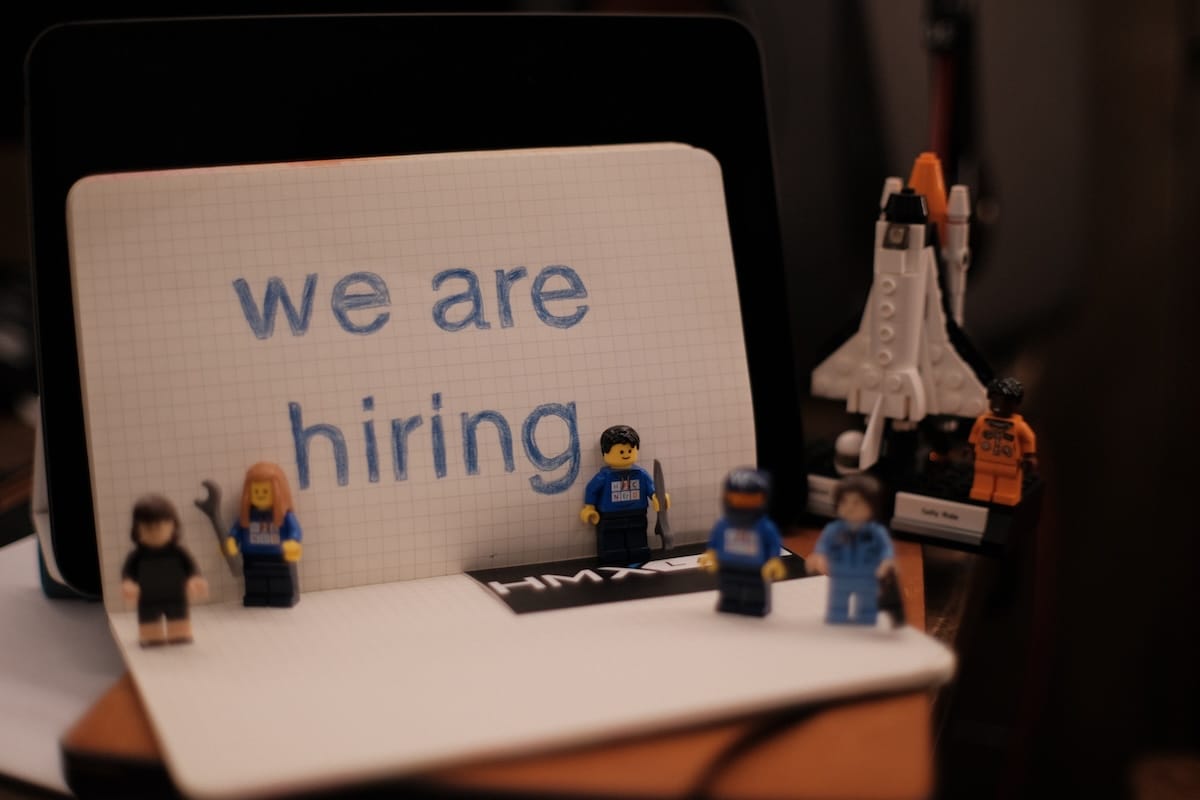
We still have two open roles here at HMx Labs so if you’re interested or know someone that might be, please do get in touch or point them our way.
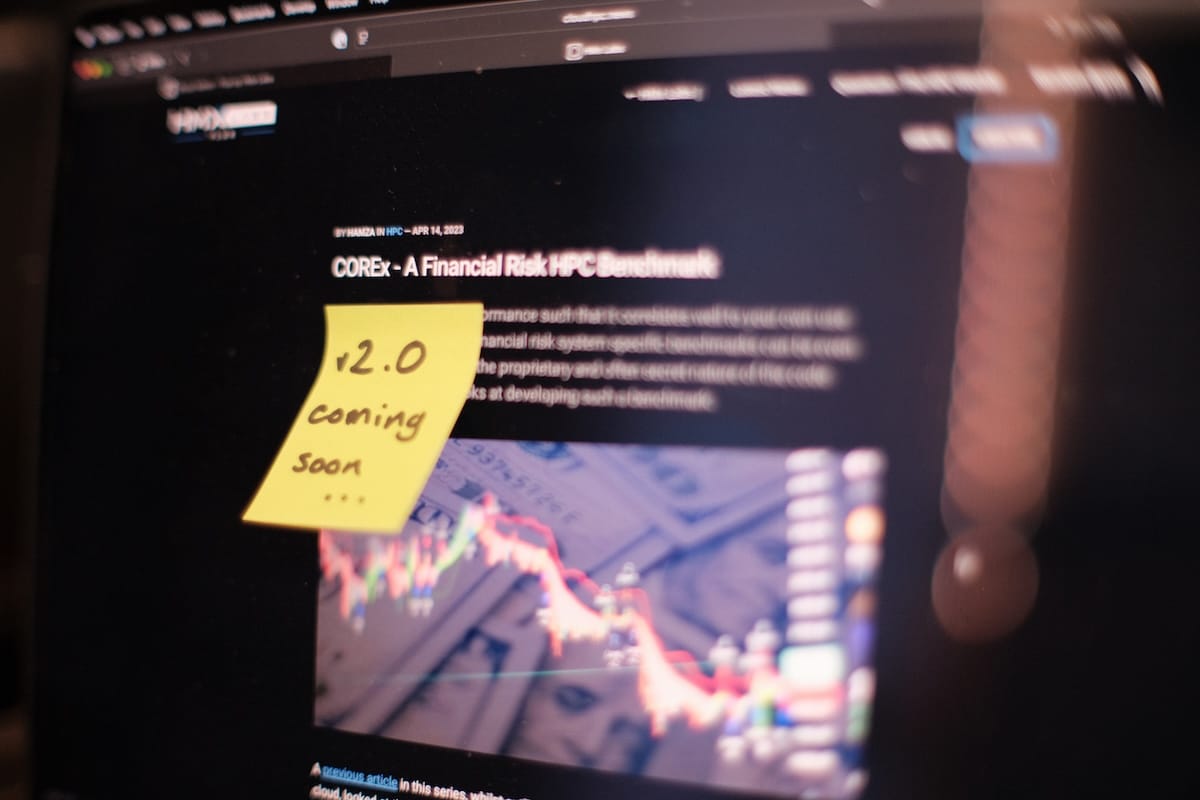
I’d also still like your input too in the benchmarking space. Firstly, on making some of this data more exciting and secondly on what you’d like to see from our next generation financial analytics benchmark.
If you’re waiting on the piece about AI and IP that I’ve been teasing about… it’s close. I’m about 2000 words in and just need to write a compelling conclusion to it. Or maybe find a co-author and rework it all 😆. We’ll see.
Have a good week all.
All the News in Depth
Cloud and vendor releases for Supercomputing & HPC (and AI too if you change the filters)
HPC job failure and recovery at scale using LLMs. Sounds cool, but I have so many questions. Is the SchedMD (Slurm) acquisition paying off? Also Related.
Is the shine starting to come off Ozaki?
We get some details about Sugon 8000, the latest exascale supercomputer
A first step to classical & quantum compute integration?
HMx Labs Updates
and I still want your input on COREx v2.0 too
Off Topic
I finished reading Don’t be Evil by Claire Stapleton this week. Well worth a read for anyone working in tech, I think. Rather like Careless People, not just for the headline story itself but also for the way you get a glimpse of how big tech operates on the inside.
With Don’t be Evil it gave some insight into the comms departments whereas Wyn-Williams gave us a peek behind the not just the techo-political curtain but how networking operated at that level.
Know someone else who might like to read this newsletter? Forward this on to them or even better, ask them to sign up here: https://cloudhpc.news